Tricks of the Trade
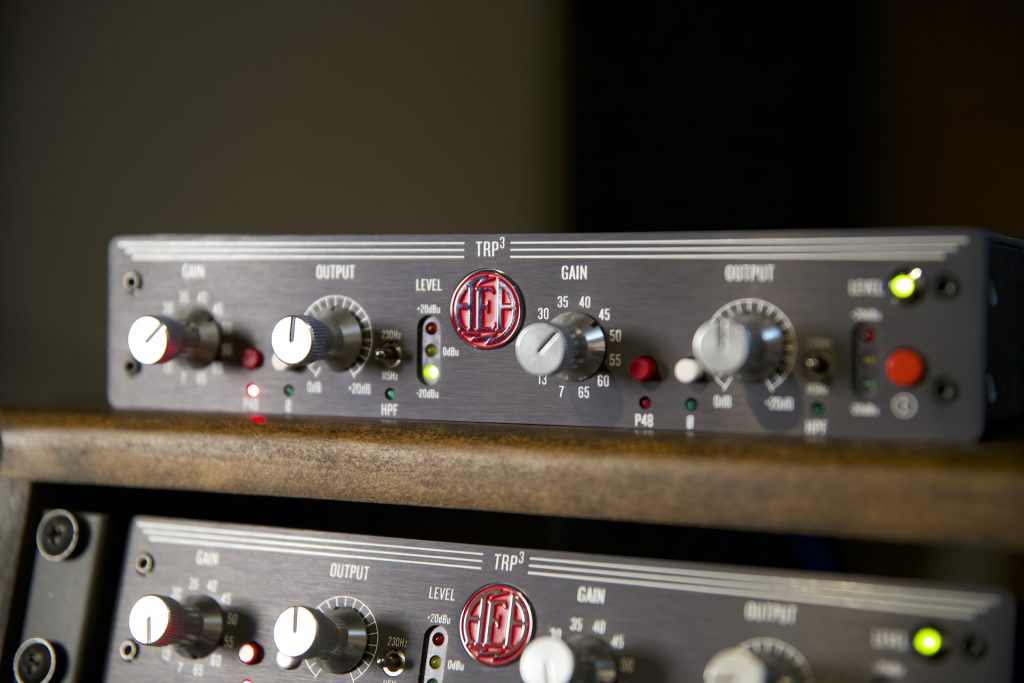
BEHIND THE MIC: THE AEA TRP RIBBON MICROPHONE PREAMPS
wc-shippo-shipping domain was triggered too early. This is usually an indicator for some code in the plugin or theme running too early. Translations should be loaded at the init action or later. Please see Debugging in WordPress for more information. (This message was added in version 6.7.0.) in /www/aearibbonmics_173/public/wp-includes/functions.php on line 6131acf domain was triggered too early. This is usually an indicator for some code in the plugin or theme running too early. Translations should be loaded at the init action or later. Please see Debugging in WordPress for more information. (This message was added in version 6.7.0.) in /www/aearibbonmics_173/public/wp-includes/functions.php on line 6131

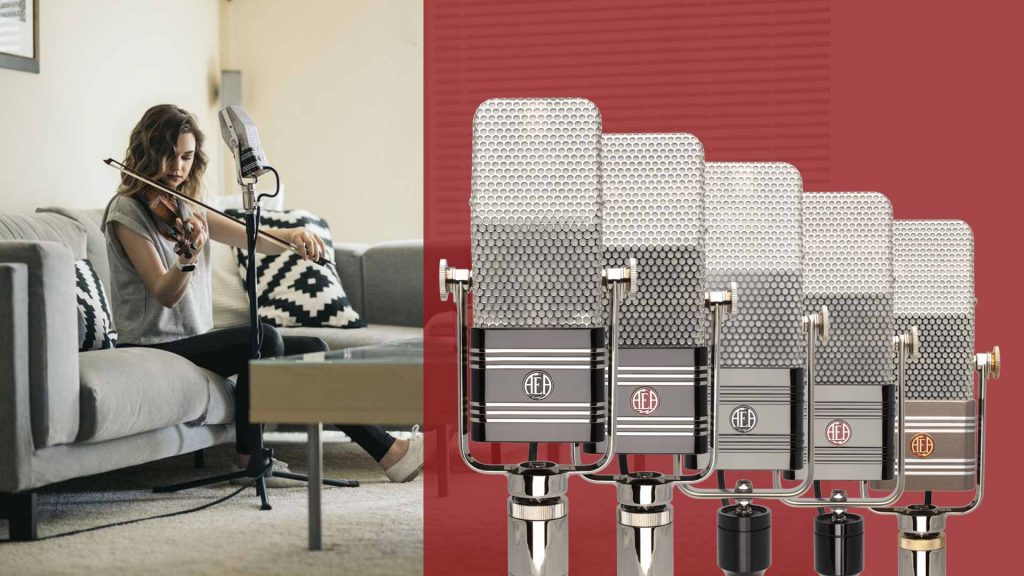
For decades, ribbon microphones have served as the first choice of many audio engineers to record vocals. The AEA R44 series microphones are inspired by RCA’s R44BX, a legend of the music industry that recorded the likes of Frank Sinatra and Billie Holiday. The sound of the 44 can be heard in countless classic recordings and its unique character and tonality are recognizable to any who hear it.
Modern ribbon microphones and the continual progression of digital recording technology, have established a new norm in today’s studios. AEA produces an extensive line of ribbons, each with unique functionality and tone, to suit the needs of the modern musician and engineer. There is an AEA ribbon mic for every engineer and their specific vision in the studio or live on stage.
When it comes to vocals, AEA has several microphones that will lend singular sound to any project. Variations in tone, proximity effect, and optimal recording distance means there is always an AEA ribbon right for the job.
If you often find yourself endlessly fussing with a de-esser, do yourself a favor and fix it with a ribbon mic instead of tiresome plugins.
A ribbon’s signature proximity effect will provide warmth and low-end to those less flattering vocals without the need for eq.
The smooth roll-off of a ribbon allows it to accept generous equalization in the high end when a track may need a bit more air.
Ribbon mics have very effective nulls that can be used to reject unwanted sources when recording multiple instruments or in live settings.
When recording a project with only a few instruments and tracks, the figure-of-8 polar pattern and proximity effect of a ribbon can add the richness and body the mix was missing.
Many of the issues that arise from vocal recording can be avoided simply by choosing a ribbon mic first. Rely on the strengths that are inherent in the mechanical design of ribbon mics and you’ll find your entire recording process to be more efficient and less stressful.