How To Record Double Bass With the N22
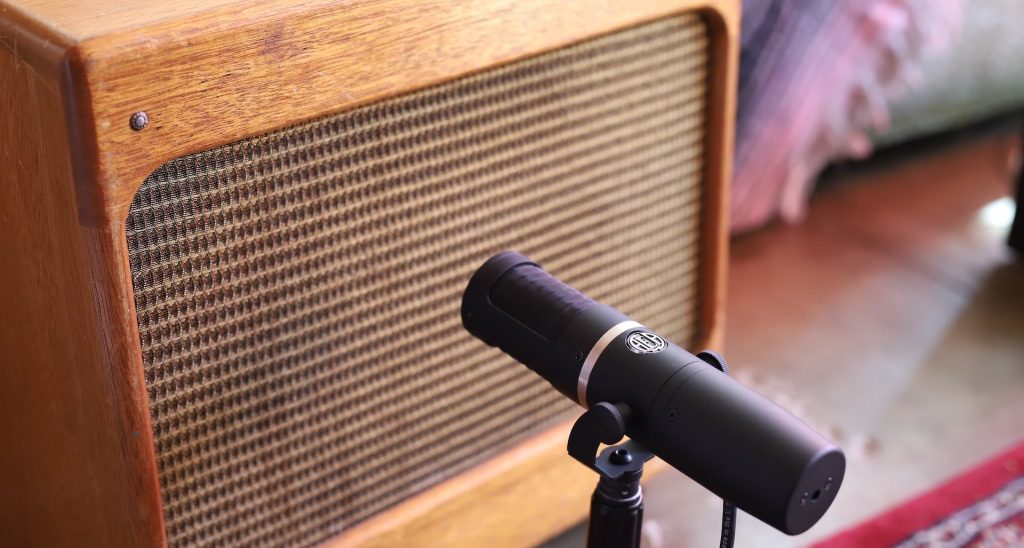
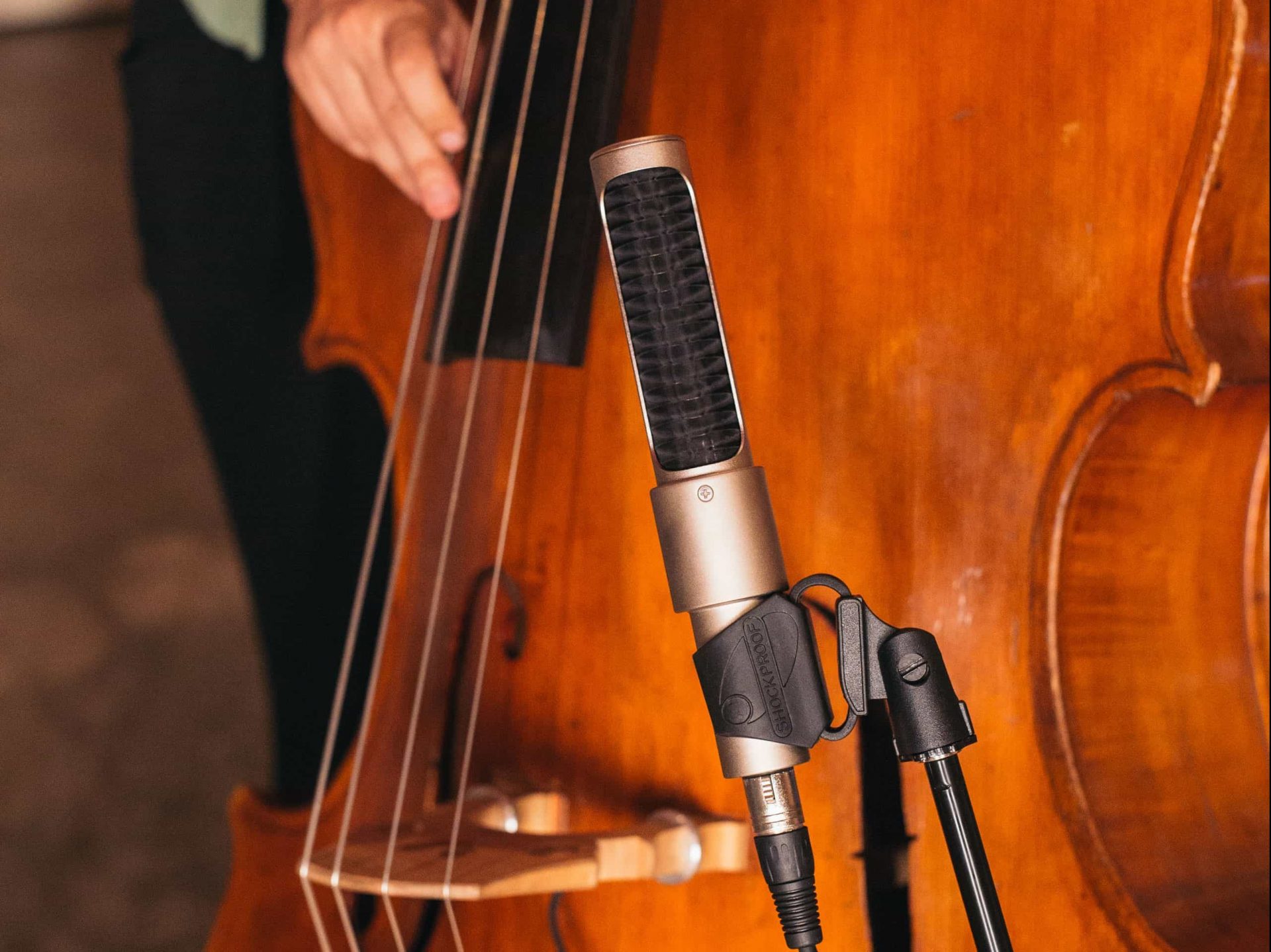
The N22 is ideally equipped to capture the sound of your upright bass. With its near-field design, balanced low-end, and extended top-end, the N22 excels at capturing the true essence of your instrument while limiting room reflections. A bump in response at 3kHz delivers enough bite to make the N22 the only mic necessary to record your bass amp, eliminating the need to blend additional mics for top-end balance.
The N22 delivers balanced sound 2 to 16 inches from the source with the help of internal mechanics which roll off the low-end of a signal before it hits the ribbon. This feature allows for better performance in close-up recording applications than one would achieve with more traditional ribbon mics due to the large amount proximity effect.
Close Miking
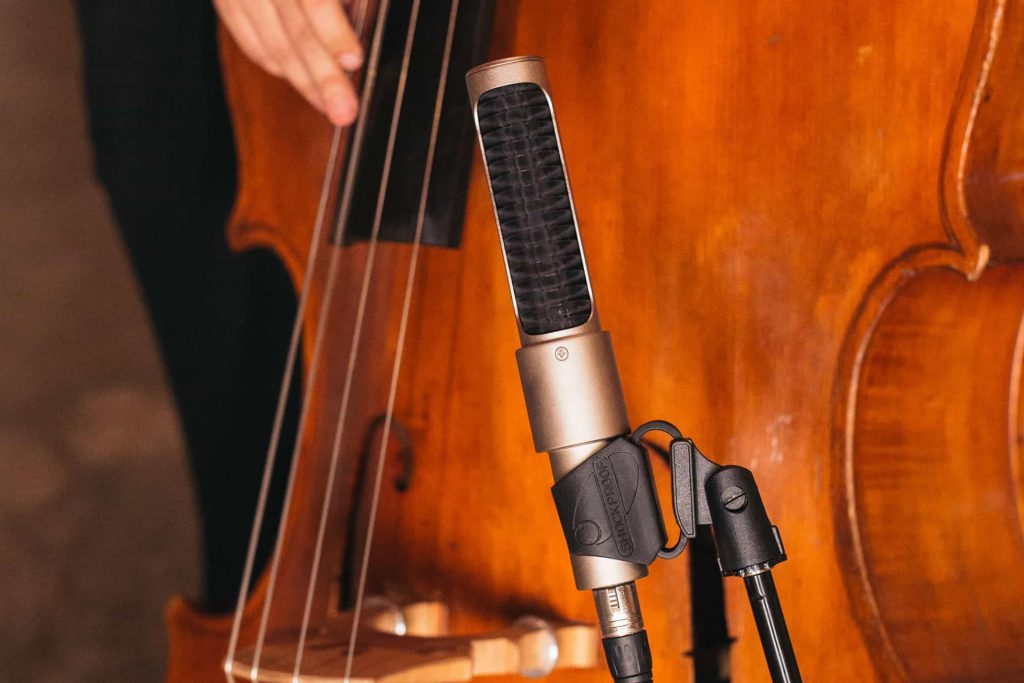
When recording upright bass, try positioning the N22 between 4 – 16 inches in front of the instrument. Within that range, the N22 can be moved closer or farther from the bass to temper the amount of low-end proximity effect. Typically upright basses are best recorded at a height where the neck meets the body; this yields a well-blended sound from the sound hole and the bowed/plucked strings.