How To Record Piano With the R88
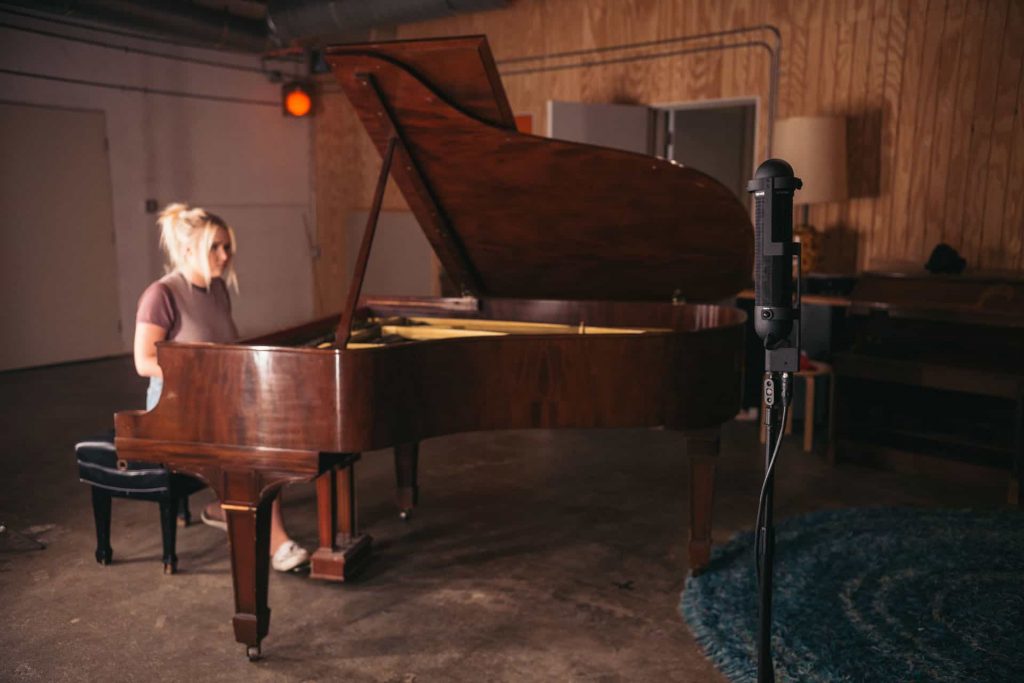
Because of the R88’s open, natural character and expansive tonal range, it is an exceptional microphone for capturing a grand piano. Its far-field functionality and dual figure-of-8 polar patterns allow for the blending of the direct sound of your instrument with expansive, dimensional room sound.
Blumlein Technique on a Grand Piano
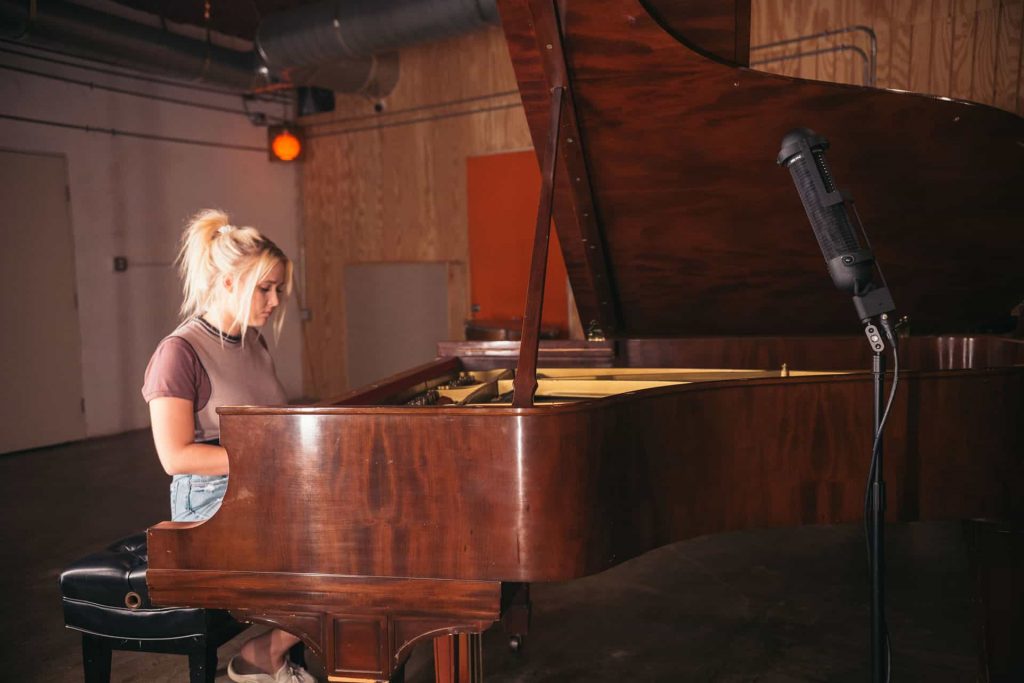
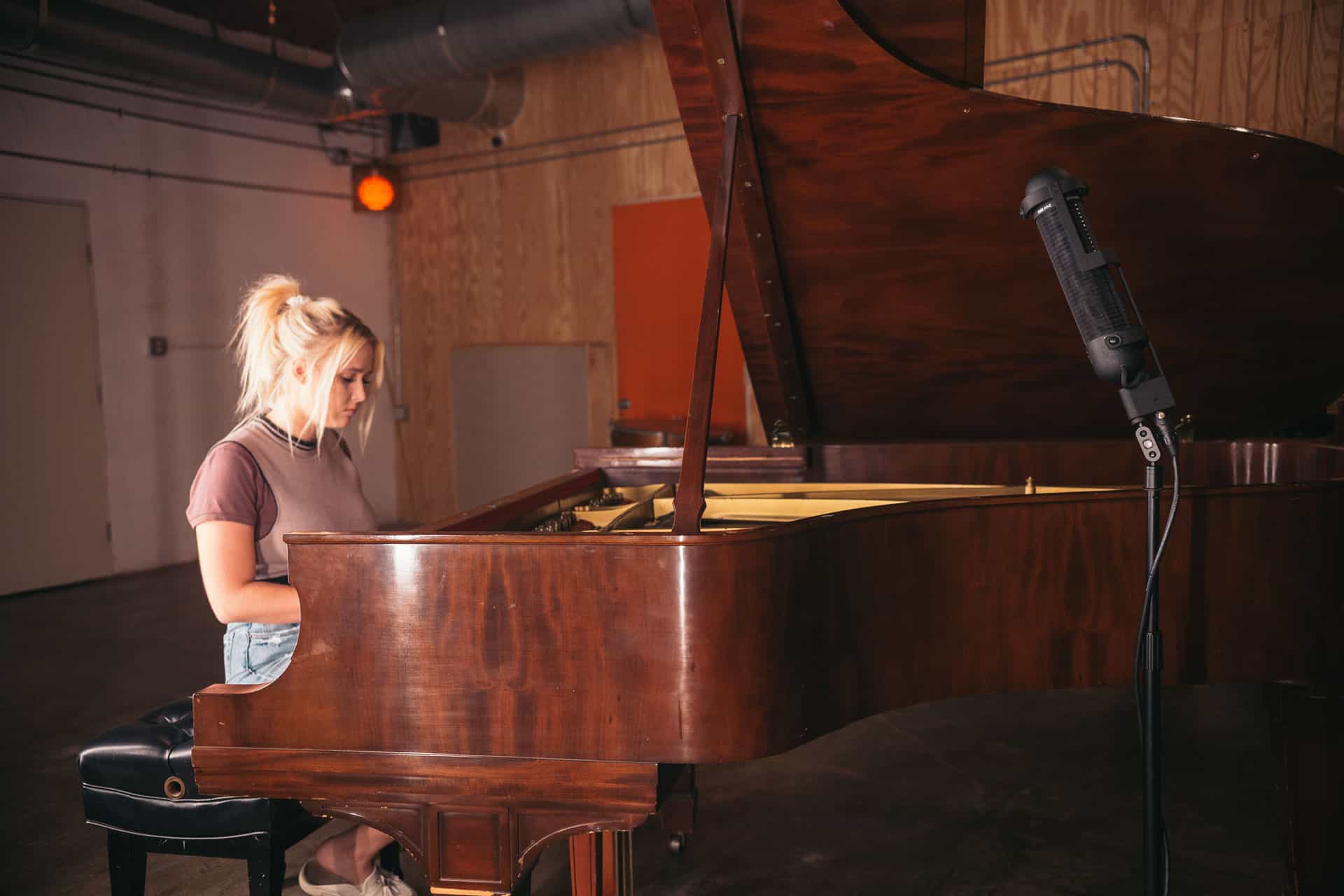
On grand piano, try positioning the R88 roughly 1 to 3 feet from the piano’s right side, overlooking the frame, with the center white line pointing towards the piano’s middle c. This method yields a wide stereo spread with terrific natural tonality. To lessen the considerable bass response of the R88 and to gain more room tonality, pull it away from the frame.
Blumlein Technique on Upright Piano
On upright, there are two common positions to place a Blumlein array. One is to position it behind and above the played pointing towards the hammers. This will give you an eerily similar sound to what the performer is hearing.
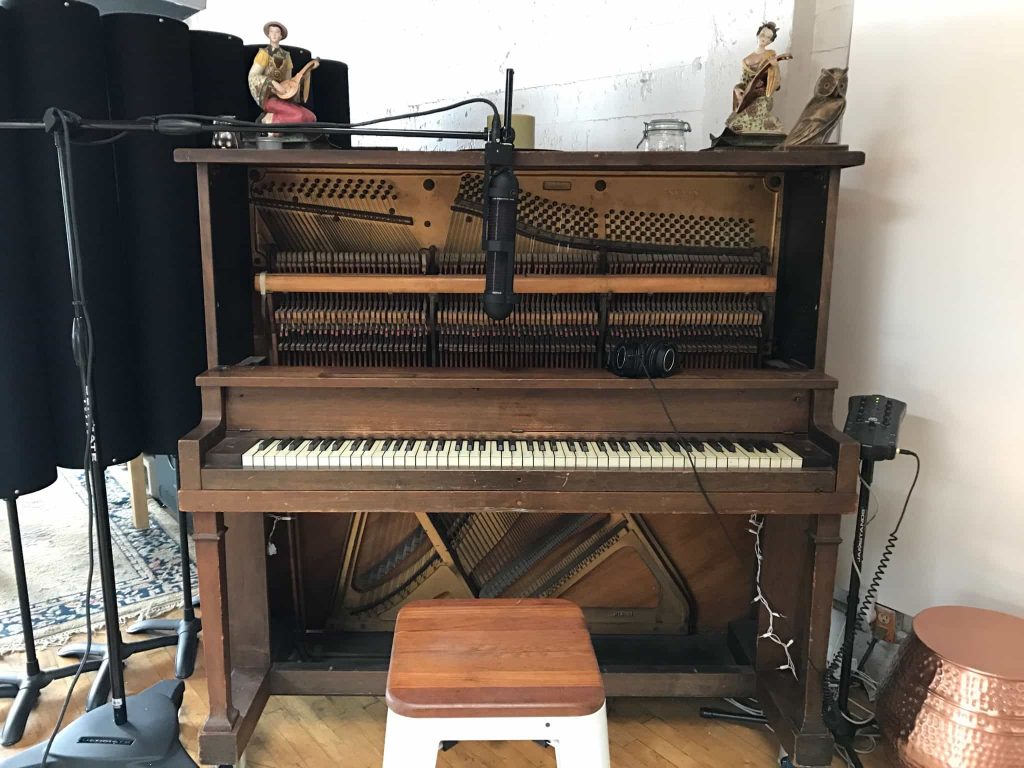
Miking the Back of an Upright
Recording an upright piano from its rear side provides a distinct tonality with less attack from the hammers. Try positioning it roughly 12 inches from the ground, 20 inches from the piano frame. For greater stereo spread and added room tone, pull the R88 further away.
Distant Miking
Much of a piano’s sound comes from the room it inhabits, so accurately capturing that room sound is vital in achieving a comprehensive piano tonality. Keep this in mind as you experiment with the vast spatial range of the R88 and its great capacity for far-field applications. The R88 delivers an astonishingly balanced treble/bass ratio from as far as 20 feet away.