How To Record Amps With Ribbons
Ribbon microphones are the preferred choice of many engineers when recording bass and electric guitar amps. The low-end proximity effect inherent in ribbon mics can bolster the lows of an amp while ribbons’ extended highs provide balance to that end of the frequency spectrum. The balanced frequency response of ribbons generally excludes the need for blending additional mic signals for a full, complete sound.
Techniques
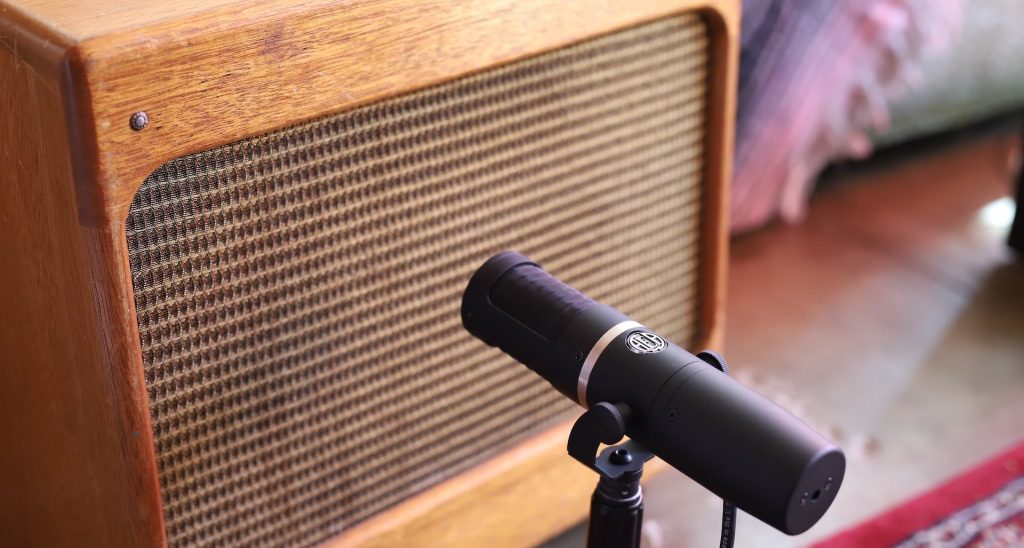
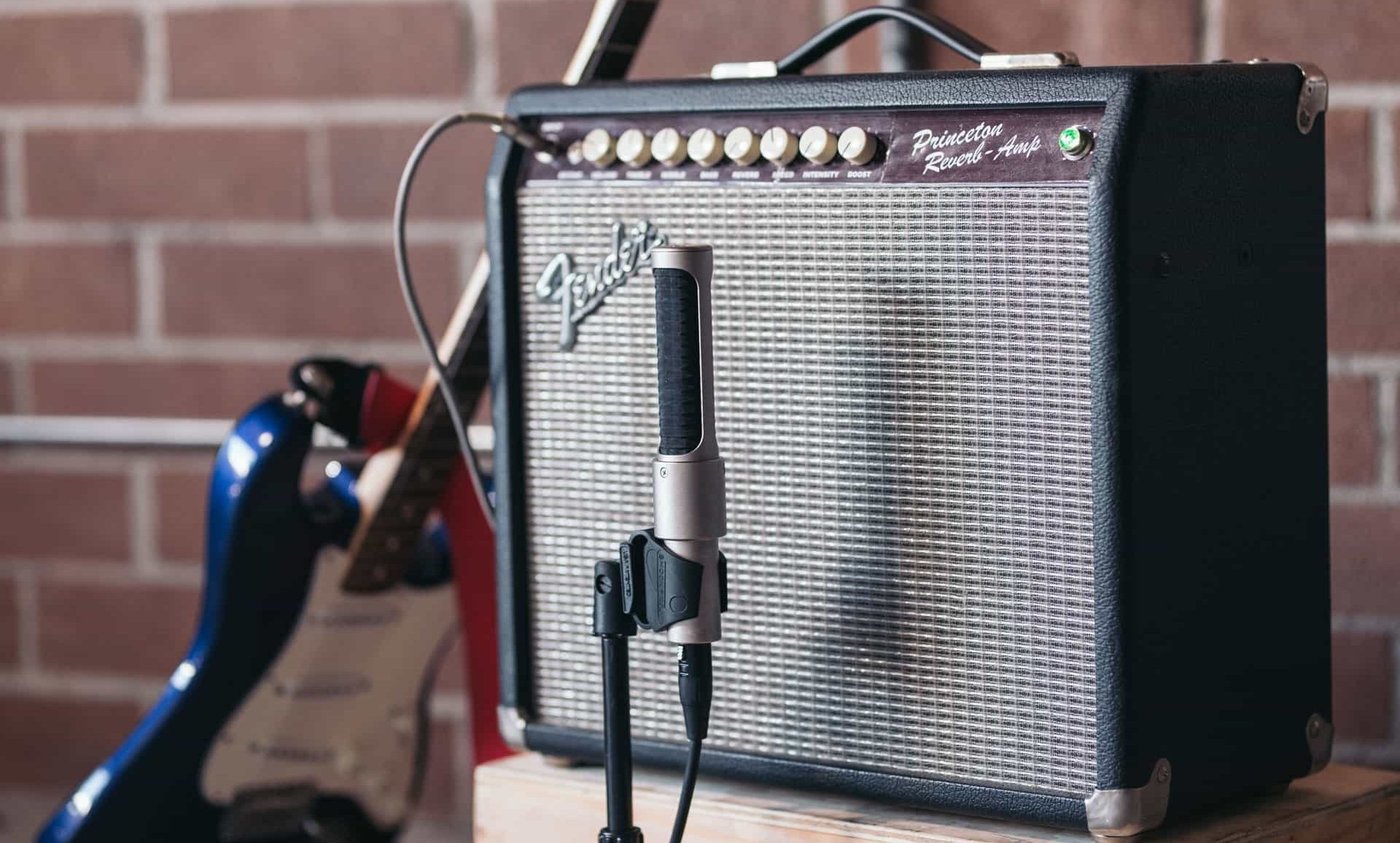
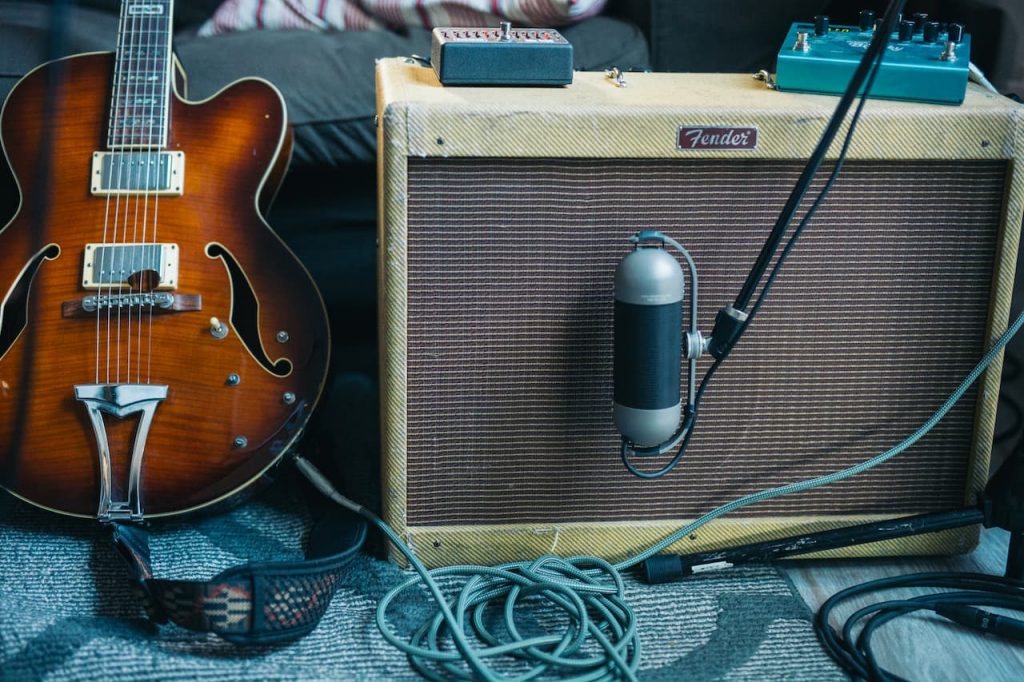
When positioning a ribbon mic on an amp, there are a few options to consider. First, try orienting the mic facing the amp straight-on. This position will produce the most accurate, balanced frequency response.
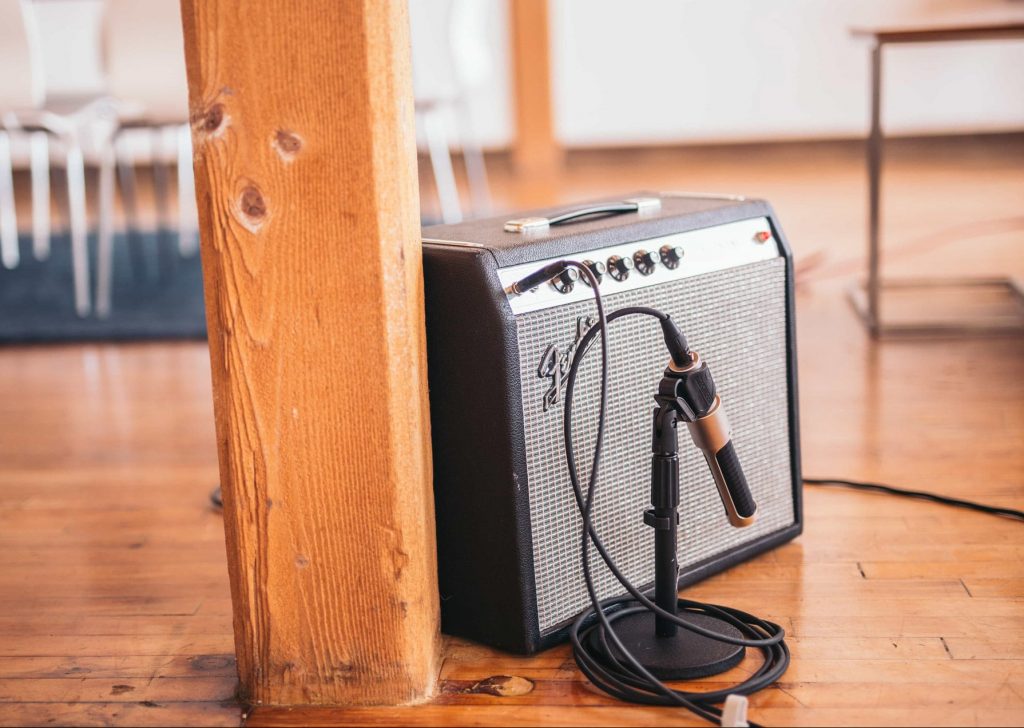
If you find that the proximity effect of the microphone creates too much low-end, try angling the mic so that the ribbon is no longer parallel to the amp face. This will temper the low-end proximity effect, while still retaining the extended top-end of a ribbon.
Another option to capture different tones is an off-axis position. This position can capture the varied tones produced by different areas of a speaker cone.
Hand Test
To ensure that the ribbon will not be damaged by strong blasts of air from an amp, place your hand near the amp grill and move it away until you can’t feel moving air, then place the microphone in that position. As an additional precaution, you can tilt the ribbon slightly upward, thereby relieving the ribbon of some tension and allows it to take slightly more impact from air.
Two Mics
A widely popular amp recording method involves blending one ribbon signal with a moving-coil dynamic mic to gain additional high-end bite in the mix. When applying this method, remember to correct phase between the two microphones before tracking.
Many engineers use multiple mics on the same amp to craft a tone. When doing so, ensure that your mics are all equidistant from the amp. That way the sounds arriving at each microphone are in phase. If you plan to use multiple mics that are not equidistant to the amp, you can double check phase coherency by toggling the polarity switches on your preamp or track in your DAW.